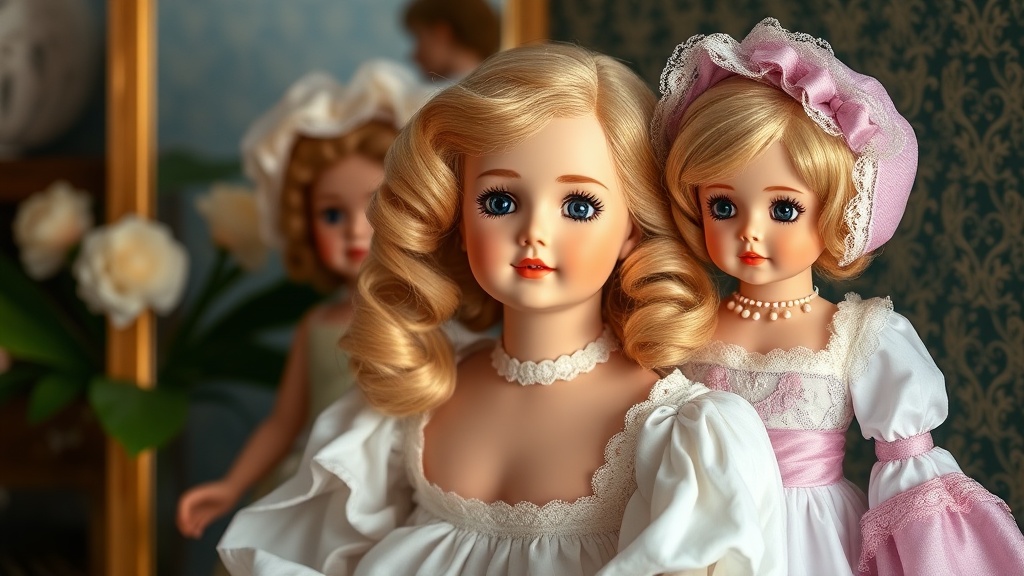
5 Expert Tips for Displaying and Preserving Your Porcelain Doll Collection

Choose the Right Display Case with UV Protection
Maintain Stable Temperature and Humidity Levels
Use Acid-Free Materials for Support and Padding
Rotate Dolls Regularly to Minimize Light Exposure
Clean Gently with Soft Brushes and Microfiber Cloths
This post covers five practical, expert-backed strategies for displaying and preserving porcelain dolls so they stay pristine for decades. Whether the collection includes vintage French bisque beauties or modern limited editions from artists like Wendy Dickison or Dianna Effner, proper care protects both sentimental and financial value. Dust, UV light, humidity swings, and even the wrong kind of storage box can quietly destroy a doll's complexion, costume, or wig. Here's the thing: small habits make a massive difference. You don't need a museum budget to protect your investment—you just need the right information.
What's the Best Way to Display Porcelain Dolls Without Damaging Them?
The best approach combines controlled lighting, stable climate conditions, and protective enclosures that shield delicate materials from dust, UV rays, and accidental bumps. Porcelain dolls aren't toys (even when they depict children or storybook characters). They're delicate artworks with painted features, human-hair wigs, and silk or lace costumes that degrade quickly in harsh environments.
Start with the cabinet. The IKEA DETOLF glass-door cabinet is a popular choice among collectors because it's affordable, seals reasonably well against dust, and offers full visibility. For a more specialized option, the Howard Miller Curio Cabinet provides better UV-filtering glass and humidity control—though it comes at a premium price. If open shelves are the only option, consider acrylic display cases from BCW Supplies.
Lighting matters more than most people realize. Direct sunlight will permanently fade silk and crack porcelain over time. Fluorescent tubes emit UV radiation too. LED strip lights with a warm color temperature (2700K–3000K) are the safest bet. Position them outside the case rather than inside—heat buildup can warp wigs and loosen glue.
Stability is key. Use Museum Gel by QuakeHold! to anchor doll stands to shelves. In earthquake-prone areas—or homes with curious cats—this tacky, removable adhesive prevents tipping without leaving residue. (Just don't use it directly on porcelain; apply it to the stand base only.)
Keep the room between 65°F and 75°F with humidity around 45% to 55%. Basements and attics are terrible choices. A closet in a living area—or a cabinet against an interior wall—offers far more stable conditions. Avoid placing displays near heating vents, fireplaces, or exterior doors where temperature spikes are common. Porcelain is especially sensitive to rapid temperature changes.
How Do You Keep Porcelain Dolls from Yellowing Over Time?
Keeping porcelain dolls out of direct sunlight and away from fluorescent lighting prevents the yellowing of fabrics, wigs, and vinyl components. That said, light isn't the only culprit. The materials touching the doll matter just as much.
Avoid standard cardboard and regular tissue paper. Most contain lignin and acids that migrate into fabrics over five to ten years, causing yellow stains and brittle fibers. Instead, wrap dolls in unbleached cotton muslin or acid-free tissue from Archival Methods. Store them in acid-free boxes—not plastic tubs, which trap moisture and encourage mold.
Wigs made of human hair or mohair are especially vulnerable. They darken and become brittle when exposed to smoke, cooking grease, and airborne pollutants. If a doll must be stored rather than displayed, seal the box loosely (not airtight) and include a silica gel packet conditioned to the correct relative humidity. Gaylord Archival sells museum-grade silica gel that changes color when saturated, so you'll know exactly when to recondition it.
Here's the thing: even "archival" plastic can off-gas over decades. Cotton and acid-free paper are still the gold standard for long-term storage of collectible textiles. Vintage bisque heads are porous and can absorb odors and oils from surrounding materials, so the wrapping you choose directly affects the doll's longevity.
How Often Should You Clean a Porcelain Doll Collection?
A light dusting every two to four weeks is usually sufficient, with a deeper inspection and gentle cleaning performed once or twice a year. Dust isn't just unsightly—it can be abrasive. On painted porcelain faces, gritty particles scratch the matte or gloss sealant over time, dulling the artist's original work.
For routine dusting, use a soft makeup brush (Real Techniques Setting Brush works well) or a microfiber wand. Work from the top of the doll downward so dust doesn't resettle on already-cleaned areas. Never use feather dusters—quills can snag lace and embroidery.
"If it isn't broken, don't fix it." That advice—straight from conservators at the Smithsonian Museum Conservation Institute—applies perfectly to porcelain doll care.
When deeper cleaning is necessary, focus on the material:
- Porcelain skin: Dampen—not soak—a cotton swab with distilled water. Gently wipe the surface, then immediately dry with a soft cloth. For stubborn grime, a tiny amount of UnSmoke Systems Kleen-Rite on a swab can lift residue without stripping paint.
- Human-hair wigs: Don't wash them unless absolutely necessary. If you must, use lukewarm water and a drop of baby shampoo. Rinse thoroughly, pat dry with a towel, and let the hair air-dry on the doll in a well-ventilated room.
- Costumes: Dry-cleaning chemicals are too harsh for vintage fabrics. Instead, use a soft clothes brush and a low-suction vacuum with a mesh screen attachment. The Smithsonian Museum Conservation Institute recommends testing any cleaning method on an inconspicuous area first.
The catch? Over-cleaning causes more damage than under-cleaning. If the doll looks fine, leave it alone.
Should Dolls Stay in Their Original Boxes?
It depends on the collector's priorities—mint-in-box (MIB) condition maximizes resale value for many modern limited editions, but removing the doll allows for better enjoyment and often prevents long-term box-related damage. Mass-produced dolls from the 1980s and 1990s (think Franklin Heirloom Dolls or certain Ashton-Drake editions) were sometimes shipped in boxes with acidic inserts or rubber bands that degrade and stain over time. A doll sitting in a closet for twenty years might look mint on the outside while the inner packaging silently ruins the costume.
| Factor | Mint-in-Box (MIB) | Displayed/Loose |
|---|---|---|
| Resale Value | Higher for limited editions and modern mass-market dolls | Lower unless the doll is rare and in pristine condition |
| Condition Risk | Rubber bands dry out; cardboard acids stain fabrics; plastic windows yellow | Exposure to dust, light, and handling accidents |
| Enjoyment | Limited—you see the doll through plastic or cellophane | Full visual and emotional connection to the piece |
| Storage Footprint | Boxes stack but take up significant space | Cabinets required, but often more space-efficient per doll |
| Best For | Investment-focused collectors; recent limited editions | Lifelong collectors; vintage bisque; artists' one-of-a-kind pieces |
Worth noting: if the goal is investment protection, photograph the doll in its original packaging, then store the box flat in an acid-free container. Remove rubber bands and twist ties immediately—they're time bombs.
How Should Collectors Insure and Document High-Value Pieces?
High-value collections should be documented with photographs, receipts, and appraisals, then added to a homeowner's policy or covered through a specialized collectibles insurer. A standard homeowner's policy often caps collectibles coverage at $1,000 to $2,500—far below the value of a single antique French bebe or a modern artist doll by Nelly Beyer.
Photograph every doll from multiple angles: full front, full back, close-up of the face, maker's marks, and any damage or restoration. Include a ruler or a dated newspaper in at least one shot for scale and provenance. Store digital copies in cloud storage and on an external drive. Update the photo log whenever a new doll arrives or when an existing piece is restored, re-dressed, or moved to a new display.
For appraisals, contact a specialist through the American Society of Appraisers or the United Federation of Doll Clubs. These organizations maintain directories of certified appraisers who understand the nuances between a mass-produced reproduction and a genuine antique.
Companies like Collectibles Insurance Services (CIS) offer "agreed value" policies that don't require annual reappraisals and cover damage during transit, display, and storage. Premiums typically run 1% to 2% of the insured value annually—reasonable protection for peace of mind.
That said, documentation isn't just about insurance. A well-documented collection is easier to sell, donate, or pass down. Future owners will thank you for the clear provenance and care history.
Your porcelain dolls are more than objects. They're craftsmanship, memory, and often significant financial assets. Treat them with consistent care, respect their materials, and they'll remain beautiful for generations.