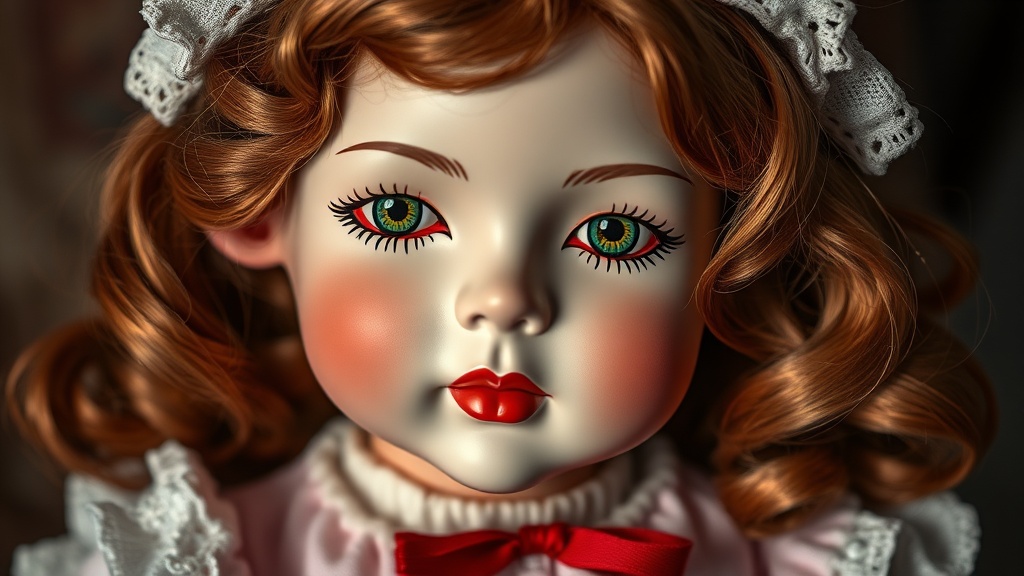
Extending the Life of Your Porcelain Dolls Through Thoughtful Care

Are your cherished porcelain dolls truly safe where they are? That's a common question for collectors—we invest passion and often considerable resources into these delicate pieces. This guide explores the practical side of porcelain doll preservation, focusing on the environmental conditions and handling methods that greatly affect their longevity and beauty. Grasping these simple principles can protect your collection from degradation, helping each doll keep its historical and aesthetic value for many years.
Porcelain dolls, whether antique or contemporary, are more than just decorative items; they're tiny pieces of history and artistry that deserve diligent care. Their intricate details, delicate materials, and often elaborate costumes are susceptible to a range of environmental aggressors and improper handling. Understanding these vulnerabilities is the first step toward creating a preservation strategy that works for your unique collection.
Many collectors focus on acquiring rare or beautiful dolls, sometimes overlooking the ongoing responsibilities that come with ownership. The subtle effects of light, temperature, humidity, and even the way we touch our dolls can accumulate over time, leading to irreversible damage. But with a bit of knowledge and consistent effort, you can mitigate these risks and ensure your dolls remain in pristine condition for generations to come. This means looking beyond just dusting and display—it involves creating an optimal micro-environment for each doll, especially those with particularly fragile elements like silk gowns or human hair wigs. Let’s dive into the specifics.
How Does Light Affect Your Porcelain Doll Collection?
Light, particularly ultraviolet (UV) radiation, is one of the most insidious threats to a porcelain doll collection. While the porcelain itself is quite stable, the painted features, delicate costumes, and often elaborate hair are highly vulnerable. Have you ever noticed a doll's once-vibrant dress looking faded, or its hair appearing brittle and discolored? Light exposure is often the culprit.
UV rays break down organic materials at a molecular level. For dolls, this translates to irreversible fading of fabrics—especially natural fibers like silk, cotton, and wool. Dyes degrade, colors shift, and patterns can disappear entirely. Wig materials, whether natural hair or synthetic, can become dry, brittle, and lose their original luster, sometimes even changing color (think of how plastics yellow with age). Even the finely painted details on a doll’s face, particularly overglaze decorations or cold-painted (unfired) elements, can diminish under prolonged exposure, robbing the doll of its original expression and charm.
Direct sunlight, of course, is the most obvious source of damaging UV, but indirect daylight also carries enough harmful radiation to cause significant damage over time. Fluorescent lights can also emit UV, and even some LED lights, while generally safer, can still contribute to cumulative degradation if too intense or used for extended periods without proper filtering.
So, what can you do? First and foremost, avoid placing dolls in direct sunbeams. If a display area receives a lot of natural light, consider installing UV-filtering films on windows. For display cases, using museum-grade acrylic—which often comes with built-in UV protection—can provide an excellent barrier. When choosing artificial lighting, opt for LED bulbs that specifically state low or no UV output, and maintain a moderate light level. Remember, it’s about cumulative exposure; rotating dolls off display into dark, stable storage can also significantly reduce their light dose over their lifetime.
For more detailed insights into the impact of light on museum collections, including textiles and other sensitive materials often found on dolls, consult the