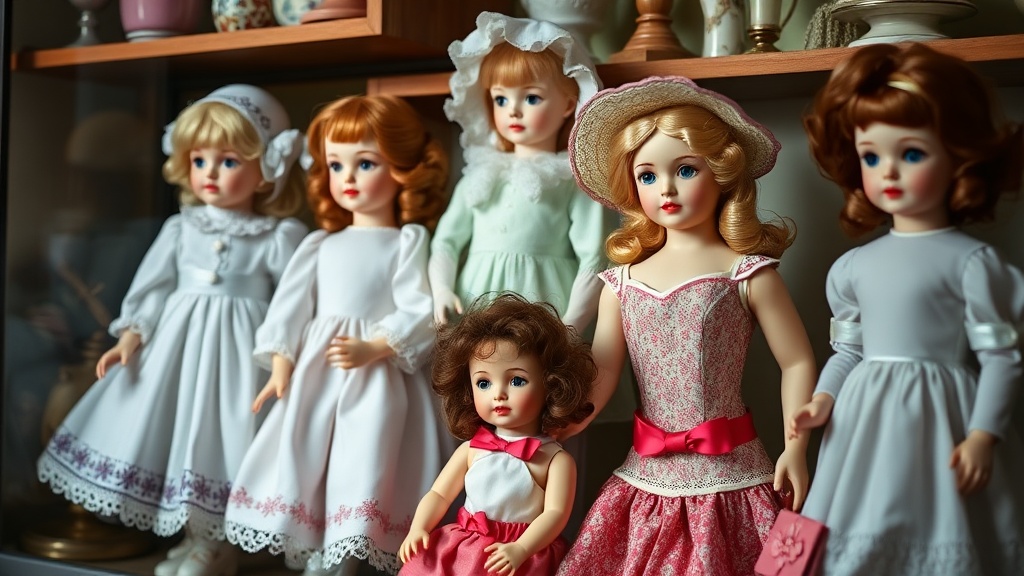
Display & Careporcelain dollsdoll displaycollectible preservationdoll care tipsvintage dolls
What This Guide Covers (and Why It Matters)
This guide walks through the practical steps of displaying and preserving porcelain dolls—everything from lighting choices to storage solutions that prevent fading, cracking, and environmental damage. Whether the collection spans three shelves or three rooms, proper care ensures these pieces retain both sentimental and monetary value for decades.
Porcelain isn't forgiving. Unlike vinyl or resin, it's brittle, porous, and sensitive to temperature swings. A doll left near a sunny window can develop hairline cracks within months. One stored in a damp basement might grow mold inside the hollow head. The good news? Most damage is preventable with the right setup—and it doesn't require a museum budget.
Where Should You Display Porcelain Dolls to Prevent Damage?
The ideal display location avoids direct sunlight, maintains stable humidity between 40-50%, and stays between 65-75°F year-round.
North-facing rooms work best in most homes—consistent indirect light without the harsh UV exposure that fades fabric and crazes porcelain glaze. If north-facing isn't an option, UV-blocking window film (like the 3M Prestige Series) cuts 99% of harmful rays while preserving visibility.
Temperature stability matters more than most collectors realize. Porcelain expands and contracts with heat cycles. Place a doll above a heating vent or near a fireplace, and micro-stresses accumulate—eventually causing cracks at stress points (the neck socket, finger joints, anywhere the clay thins).
Humidity control separates casual collectors from serious preservers. Below 40% humidity, old glue dries and fails—wigs loosen, eyes rattle, fingers detach. Above 60%, mold colonizes fabric bodies and human hair wigs. A digital hygrometer costs under $15 and removes the guesswork. For larger collections, the Eva-dry E-333 mini dehumidifier handles enclosed cabinets without electricity—perfect for glass-front cases.
Display Case Options Compared
Case Type
Best For
Pros
Cons
Wall-mounted shadow boxes
Limited space, rotating displays
Affordable, keeps dolls off surfaces
Requires wall anchors, limited depth
Glass curio cabinets (IKEA DETOLF)
Medium collections (8-15 dolls)
$99 price point, lockable, dust-sealed
Shelves 14" apart—tall dolls won't fit
Custom acrylic cases
High-value individual pieces
Acrylic doesn't shatter like glass—critical if the household includes children or pets. The Clear Case Co. builds custom sizes with built-in LED channels and sealed bottoms that keep dust out entirely.
Here's the thing about open shelving: it looks beautiful in photos, but dust settles on porcelain within days. Each cleaning cycle risks accidents. Enclosed cases reduce cleaning to quarterly instead of weekly—and that's fewer opportunities for breakage.
How Do You Light Porcelain Dolls Without Causing Fading?
Use LED bulbs rated 2700K-3000K color temperature, kept at least 12 inches from any doll surface.
Incandescent and halogen bulbs generate heat—sometimes enough to soften vintage wax compositions or damage old silk. LEDs run cool and last years. The color temperature matters because daylight-balanced bulbs (5000K+) wash out the subtle skin tones that make porcelain dolls compelling. Warm white (2700K) mimics gallery lighting and flatters painted features.
Position lights to avoid direct glare on glass eyes—nobody wants a collection that looks like it's staring back. Rope lighting along the top interior of a cabinet works well. For individual spot drama, the Philips Hue Bloom allows color adjustment—useful when photographing pieces for sale or insurance documentation.
UV exposure accumulates. Even LED bulbs emit trace amounts. Rotate displayed pieces every six months if possible. The doll that sat under cabinet lighting for two years straight might show subtle yellowing compared to its stored twin. Worth noting: some collectors install timers to limit light exposure to 8 hours daily—mimicking natural cycles.
What's the Best Way to Store Porcelain Dolls Long-Term?
Acid-free boxes with unbuffered tissue, stored flat in climate-controlled spaces—not attics, not basements, not garages.
Archive-quality storage isn't overkill for serious collectors. Standard cardboard contains lignin that off-gases acids, yellowing fabrics and degrading hair. Gaylord Archival produces museum-grade doll boxes with fitted supports that prevent pressure on delicate shoulder plates.
Position matters. Never store a porcelain doll standing—gravity pulls on the elastic or stringing that holds limbs together. Over years (sometimes months with older pieces), this stretching creates the "floppy doll" syndrome where joints won't hold a pose. Store dolls horizontally, with the head slightly elevated on a support—never letting the weight rest on the face.
Wigs need breathing room. Human hair wigs rot if sealed airtight; mohair and synthetic fibers fare better but still need air circulation. Wrap heads in unbuffered acid-free tissue—not plastic, which traps moisture. For complete protection, the Heritage Preservation storage method (developed for museum textile collections) recommends cotton muslin outer wraps that block dust while allowing humidity exchange.
Storage Checklist by Component
Body: Horizontal, supported at shoulders and hips, never hanging by the head
Clothing: Remove if possible; store flat with acid-free tissue between folds
Shoes and accessories: Separate compartments—leather shoes stain fabric over time
Eyes: Check periodically for "weeping" (oil leakage from sleep eyes)—indicates deterioration
Wigs: Support with tissue stuffing to maintain shape; check every 6 months for mold
The catch with original packaging? Factory boxes aren't archival. That colorful printed cardboard from the 1990s? It's acidic. That plastic shell insert? It outgasses. For investment-grade pieces, transfer to proper archival storage—but photograph the original packaging first for provenance documentation.
How Often Should You Clean and Inspect Your Collection?
Quarterly dusting with soft brushes, annual detailed inspection of elastic and clothing, immediate attention to any environmental changes (leaks, temperature spikes, pest sightings).
Dust is abrasive. It contains microscopic grit that scratches porcelain finishes when wiped. Use a da Vinci Series 410 oval wash brush (goat hair, extremely soft) for surface dusting. Work from top to bottom—gravity helps. Never use feather dusters; the barbs catch on eyelashes and fine fibers.
Cleaning painted surfaces requires caution. Distilled water with a drop of mild soap (Dr. Bronner's unscented castile) works for most grime. Test on the back of the head first. Never submerge a doll—water seeps into the head cavity through eye openings and won't dry properly, creating mold conditions. For stubborn spots, the Magic Eraser (melamine foam) works wonders on porcelain—but use it dry, never wet, and very gently.
Stringing inspection saves dolls from catastrophic damage. Old elastic turns brittle, then snaps—sometimes launching porcelain arms across the room (yes, really). Check tension by gently lifting the doll by its torso. Limbs should move smoothly, not flop wildly and not resist entirely. If the head wobbles independently, the neck elastic needs replacement. This is specialist work—DIY restringing risks snapping delicate loops at the shoulder.
That said, some maintenance is accessible to careful collectors. Reattaching a loose wig with archival-quality PVA adhesive (Lineco Neutral pH Adhesive) beats waiting for professional service. Replacing yellowed elastic bands in modern vinyl-body dolls is straightforward with replacement kits from Ruby Lane sellers.
Insurance, Documentation, and Provenance
Photograph everything. Front, back, maker's marks, original tags, box condition. Store copies offsite—cloud storage, safe deposit box, whatever works. If disaster strikes (fire, flood, theft), insurance adjusters need documentation.
Standard homeowners insurance rarely covers collectibles adequately. A "personal articles policy" rider specifically lists high-value items. Companies like Collectibles Insurance Services specialize in this niche, covering dolls at agreed-upon values without requiring individual appraisals for items under $5,000.
Keep original receipts. Keep certificates of authenticity. For antique pieces without paperwork, research matters—the United Federation of Doll Clubs (UFDC) maintains identification resources and regional specialists who can authenticate makers like Jumeau, Bru, and Kestner. A documented provenance (previous owners, exhibition history, original purchase records) adds 20-40% to resale value compared to "attributed" pieces.
Climate monitoring logs help too. If a claim involves environmental damage, proof that the collection was maintained properly strengthens the case. Simple notes—weekly hygrometer readings, any HVAC service dates, photos of the storage setup—take minutes but matter enormously when something goes wrong.
Porcelain dolls bridge generations. They're craftsmanship frozen in time—sculpted features, hand-painted details, clothing from eras past. Treat them with the respect those details deserve, and they'll outlast the collector, becoming someone else's treasured inheritance. Start with one improvement today: move that doll out of direct sun, check one cabinet's humidity reading, photograph one piece for the records. Small actions compound into preservation.