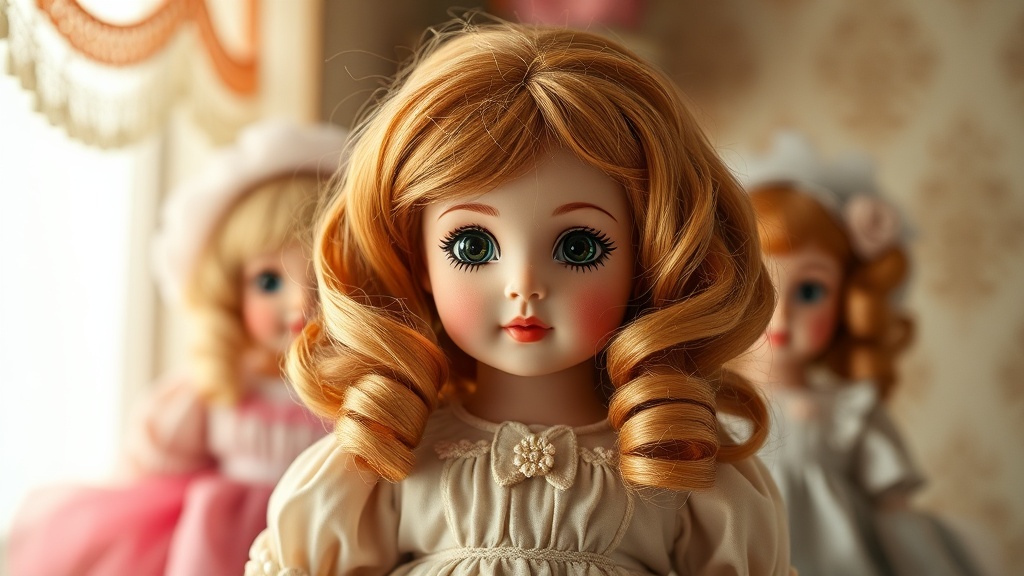
How to Properly Clean, Store, and Display Porcelain Dolls Without Damaging Their Value

Most collectors learn the hard way: porcelain dolls don’t forgive careless handling. A quick wipe with the wrong cloth, a sunny shelf, or a rushed move can quietly chip away at both beauty and value. If you’re serious about collecting, proper care isn’t optional—it’s the difference between a preserved heirloom and a slowly deteriorating figure.
This guide walks through the exact process I use to clean, store, and display porcelain dolls safely, whether you own a single sentimental piece or a growing collection.
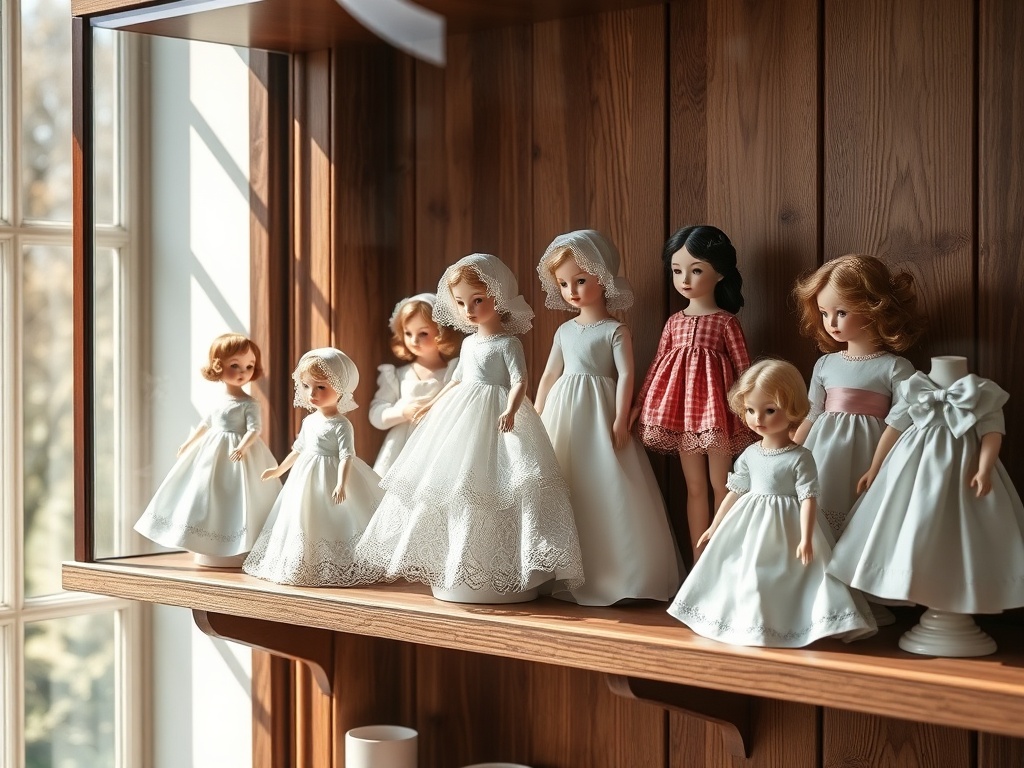
Step 1: Assess the Doll Before You Touch It
Before cleaning anything, pause. Not all porcelain dolls should be treated the same way. Antique dolls, limited editions, and hand-painted pieces can react differently to moisture and pressure.
- Check for cracks or crazing: Fine hairline cracks mean extra caution.
- Inspect clothing: Fabrics may be fragile or color-bleeding.
- Look for loose parts: Wigs, limbs, or accessories might detach easily.
If a doll shows structural weakness, skip deep cleaning and focus on light dusting only.
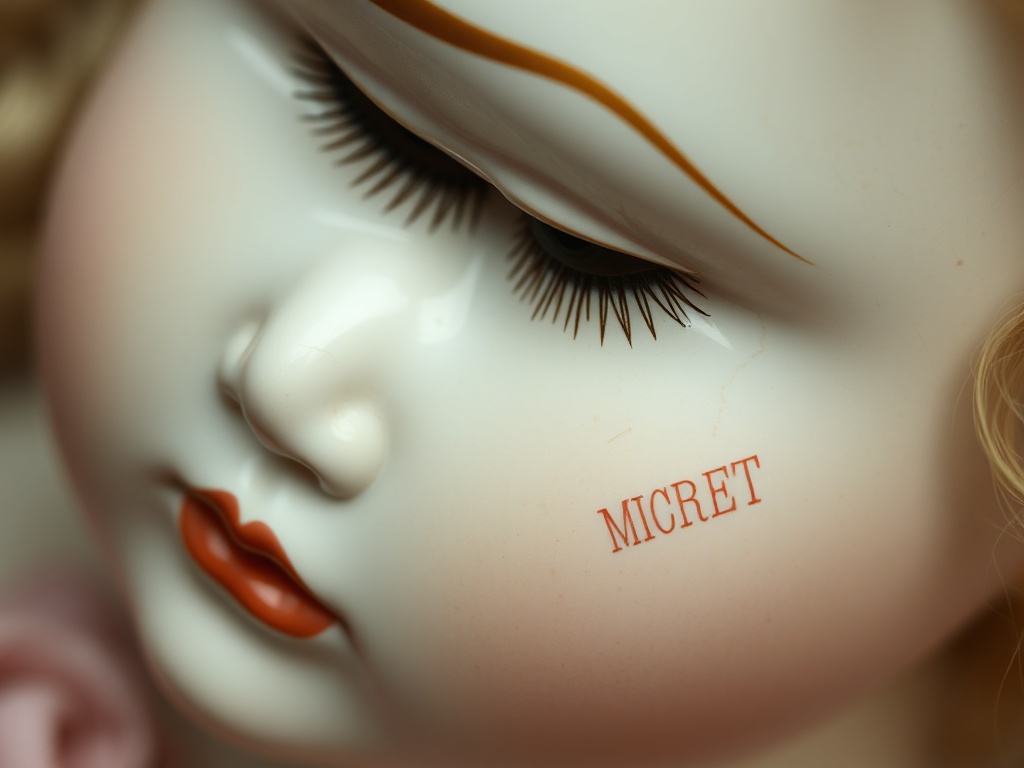
Step 2: Remove Surface Dust the Right Way
Dust is the silent killer of detail. It dulls paint, settles into fabric, and eventually attracts moisture.
Use:
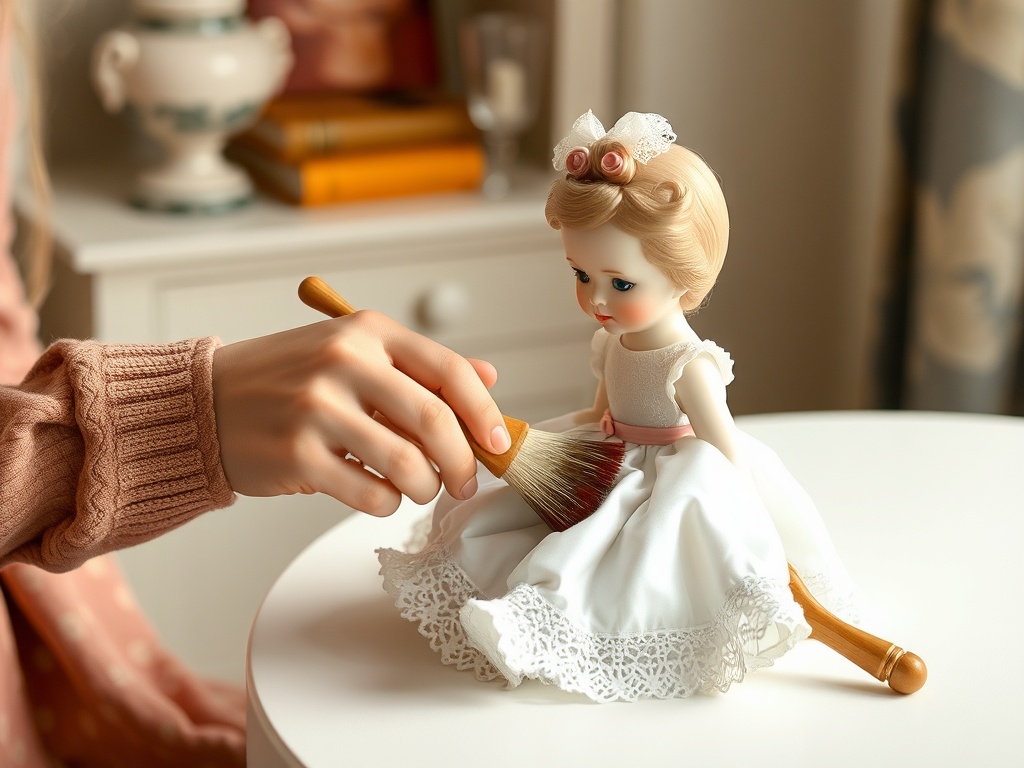
- A soft makeup brush or artist brush
- Compressed air (low pressure, from a distance)
- Microfiber cloth (dry only)
Avoid paper towels or rough cloth—they create micro-scratches you won’t notice until it’s too late.
Work from top to bottom. Always support the doll’s body while cleaning the head or limbs.
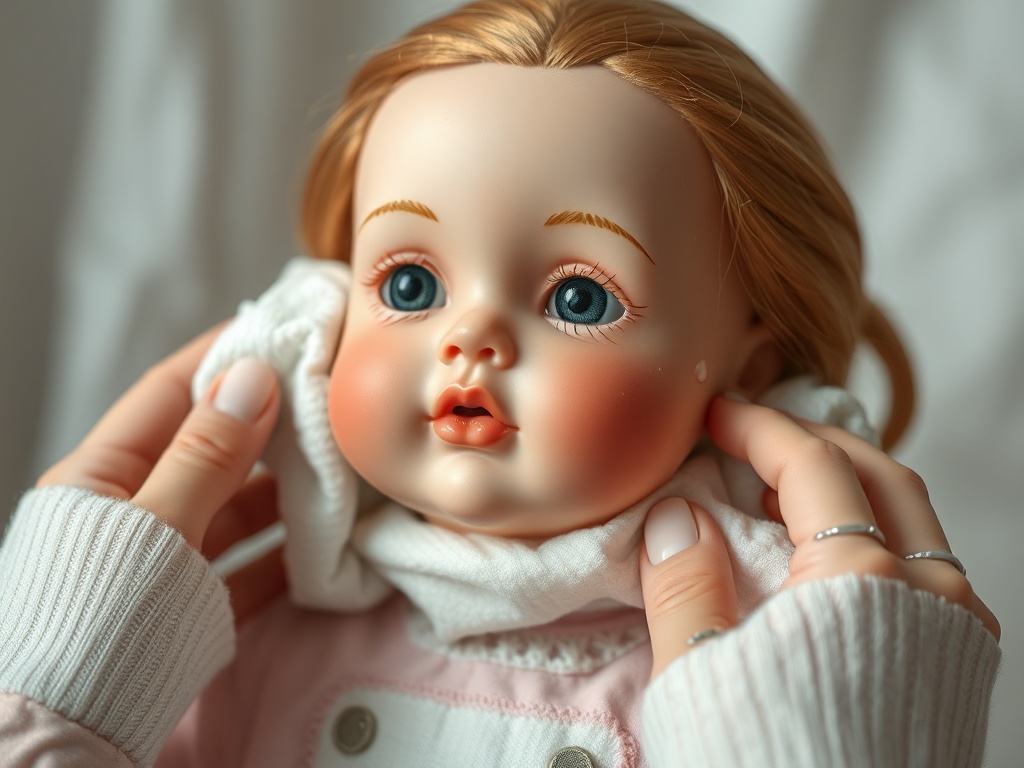
Step 3: Clean Porcelain Surfaces Safely
For actual cleaning (not just dusting), less is more.
- Mix a small amount of mild soap with lukewarm water
- Dampen (not soak) a soft cloth
- Gently wipe porcelain areas only
Never submerge a porcelain doll. Moisture can seep into joints, loosen adhesives, and damage internal materials.
Immediately dry with a lint-free cloth. Any lingering moisture is a long-term risk.
Step 4: Handle Hair and Clothing Separately
This is where many collectors make mistakes.
Hair:
- Use a wide-tooth comb or your fingers
- Avoid water unless the wig is removable and synthetic
- Never use heat tools
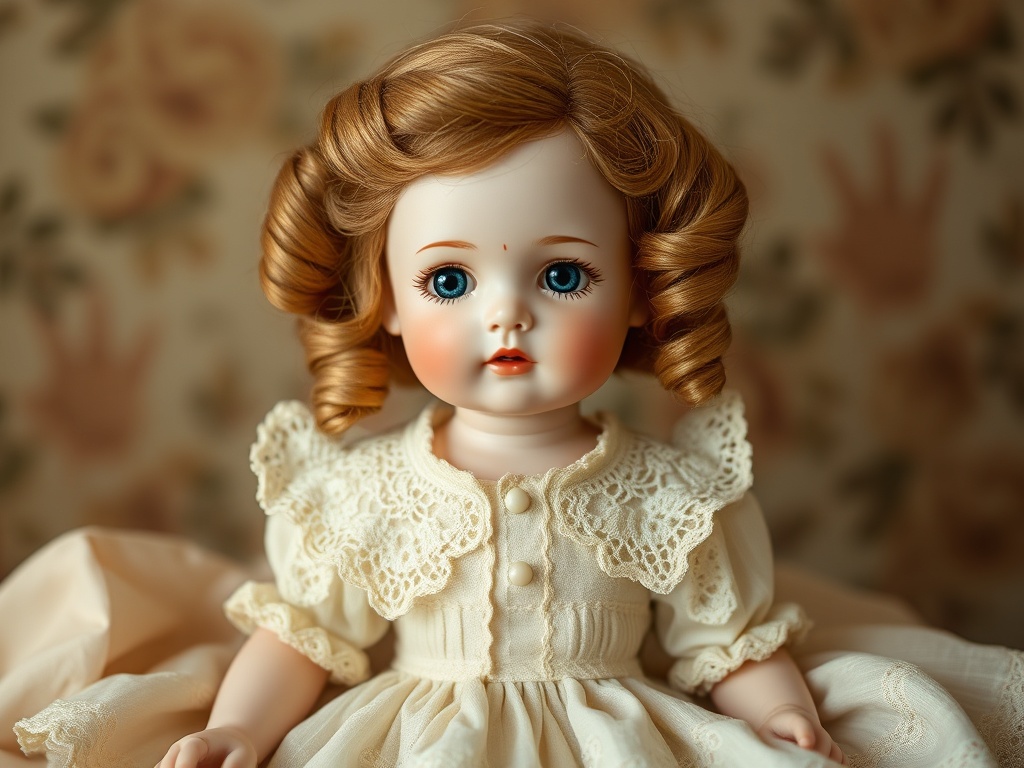
Clothing:
- Do not machine wash antique garments
- Spot clean only when necessary
- Consider removing clothing before cleaning porcelain
If the outfit is original, preserving it matters just as much as the doll itself.
Step 5: Store Dolls to Prevent Long-Term Damage
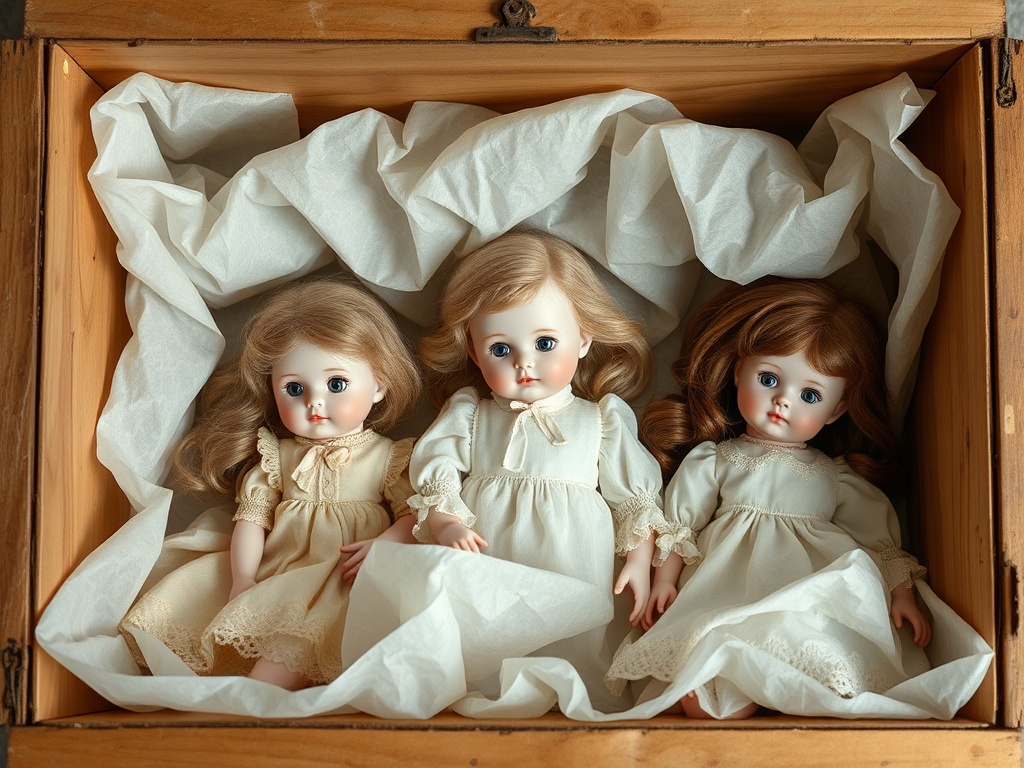
Storage decisions matter more than cleaning frequency. A perfectly cleaned doll can still degrade quickly in poor conditions.
- Avoid sunlight: UV light fades paint and fabric
- Control humidity: Aim for stable, moderate levels
- Use acid-free materials: Tissue and boxes prevent chemical damage
- Keep upright: Prevent stress on joints and limbs
If storing long-term, wrap dolls loosely and never stack them directly on top of each other.
Step 6: Display Your Collection Without Risk
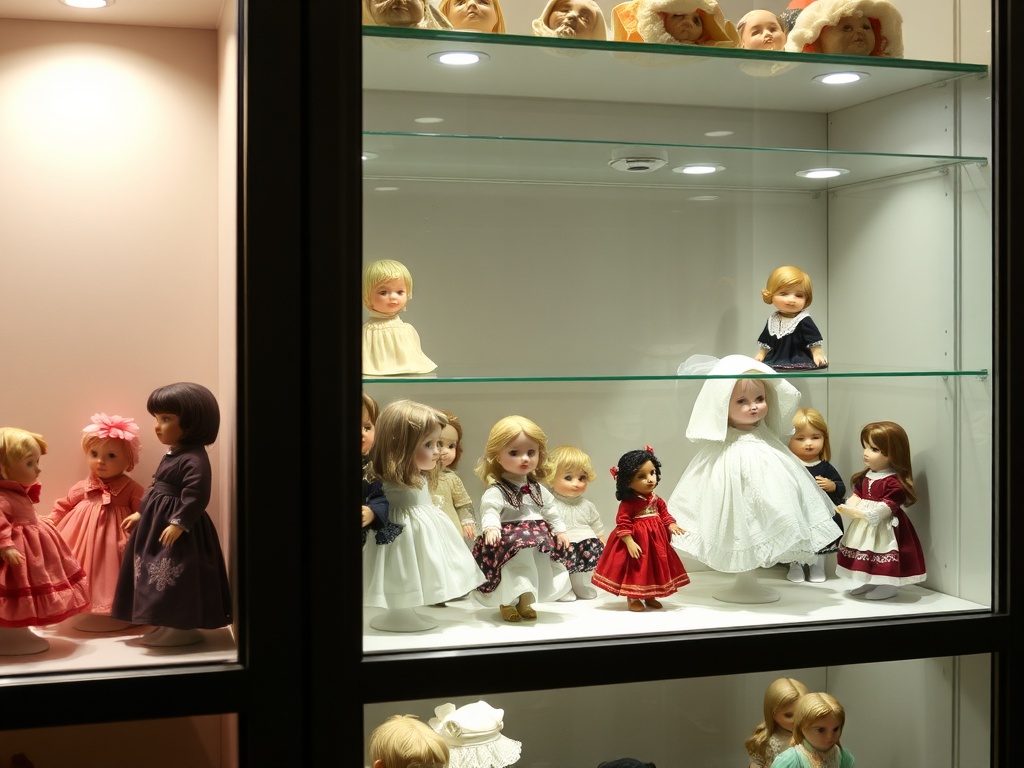
Displaying dolls is part of the joy—but it’s also where most damage happens.
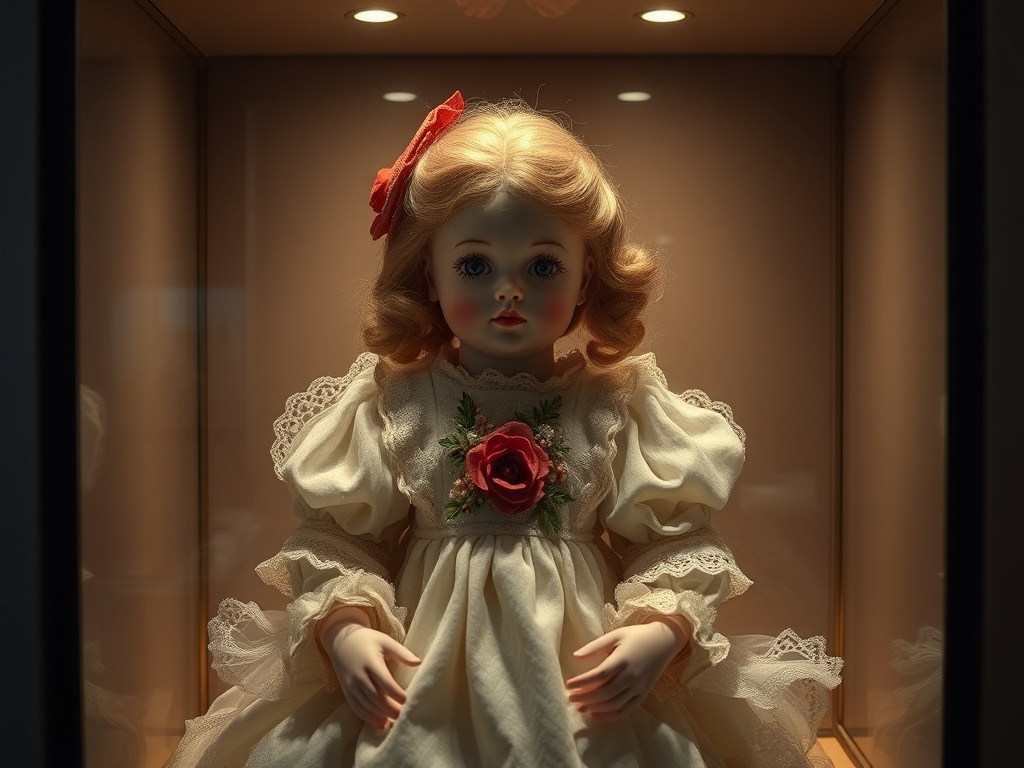
- Use glass display cabinets to reduce dust exposure
- Keep away from vents, heaters, and windows
- Space dolls to avoid accidental contact
- Secure stands to prevent tipping
Lighting should be indirect. If you want dramatic display lighting, use LED lights that produce minimal heat and UV.
Step 7: Handle With Collector-Level Care
Every time you move a doll, you’re introducing risk. The goal is to minimize handling.
- Always hold the torso—not limbs
- Remove accessories before moving
- Use both hands
- Work over a padded surface when possible
If you’re photographing or reorganizing your collection, plan movements in advance. Rushing leads to drops.
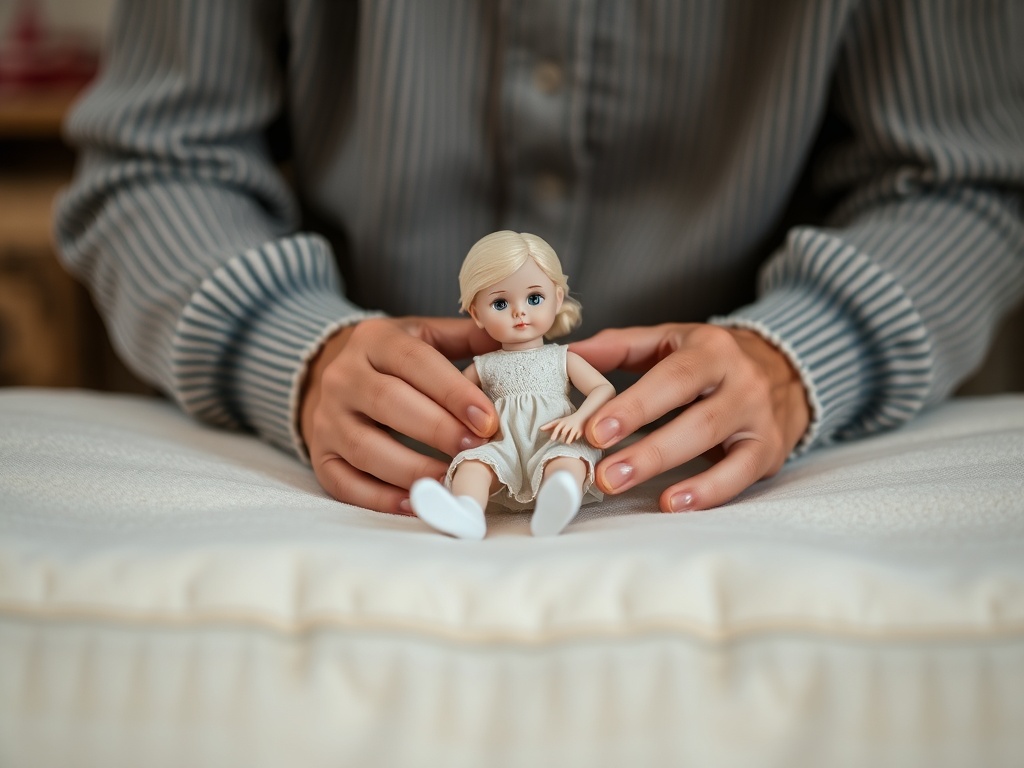
Step 8: Know When to Leave It Alone
Not every imperfection needs fixing. In fact, over-cleaning is one of the fastest ways to reduce value.
Signs you should stop:
- Paint looks delicate or flaking
- Fabric is brittle or discolored
- You’re unsure about materials or age
In these cases, consult a professional conservator. A small mistake can permanently affect collectibility.
Final Thoughts
Collectors who treat porcelain dolls like decorations tend to lose value over time. Those who treat them like artifacts preserve both condition and story.
The difference isn’t complicated—it’s consistency. Gentle cleaning, thoughtful storage, and controlled display conditions will keep your collection looking sharp for decades.
If you take one thing from this: slow down. Every careful step adds years to a doll’s life—and value to your collection.
Steps
- 1
Assess the Doll Before You Touch It
- 2
Remove Surface Dust the Right Way
- 3
Clean Porcelain Surfaces Safely
- 4
Handle Hair and Clothing Separately
- 5
Store Dolls to Prevent Long-Term Damage
- 6
Display Your Collection Without Risk
- 7
Handle With Collector-Level Care
- 8
Know When to Leave It Alone