How to Start a Porcelain Doll Collection That Actually Holds Value

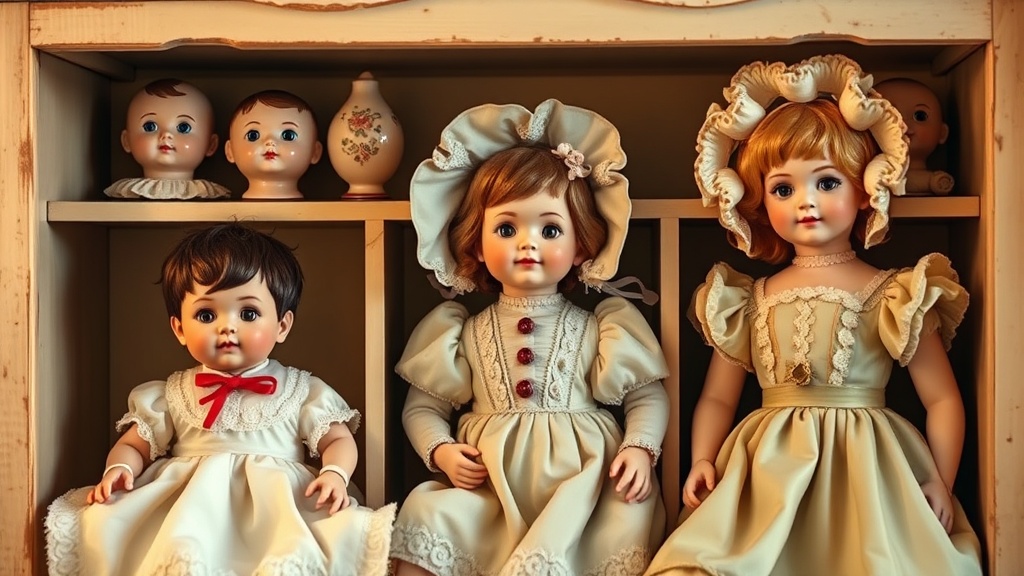
Most people don’t set out to become porcelain doll collectors. It starts with one piece — maybe inherited, maybe found in a thrift store, maybe picked up because something about the face or craftsmanship felt different. Then you blink, and suddenly you’re comparing marks, checking auction listings at midnight, and rearranging shelves to make space for “just one more.”
Here’s the problem: not all porcelain dolls are created equal, and collecting without a strategy is the fastest way to end up with a cabinet full of items that look nice but hold little long-term value.
If you want a collection that feels intentional — and might actually appreciate over time — you need to approach it differently. This is the playbook I wish more collectors followed from day one.
Understand What Actually Drives Value
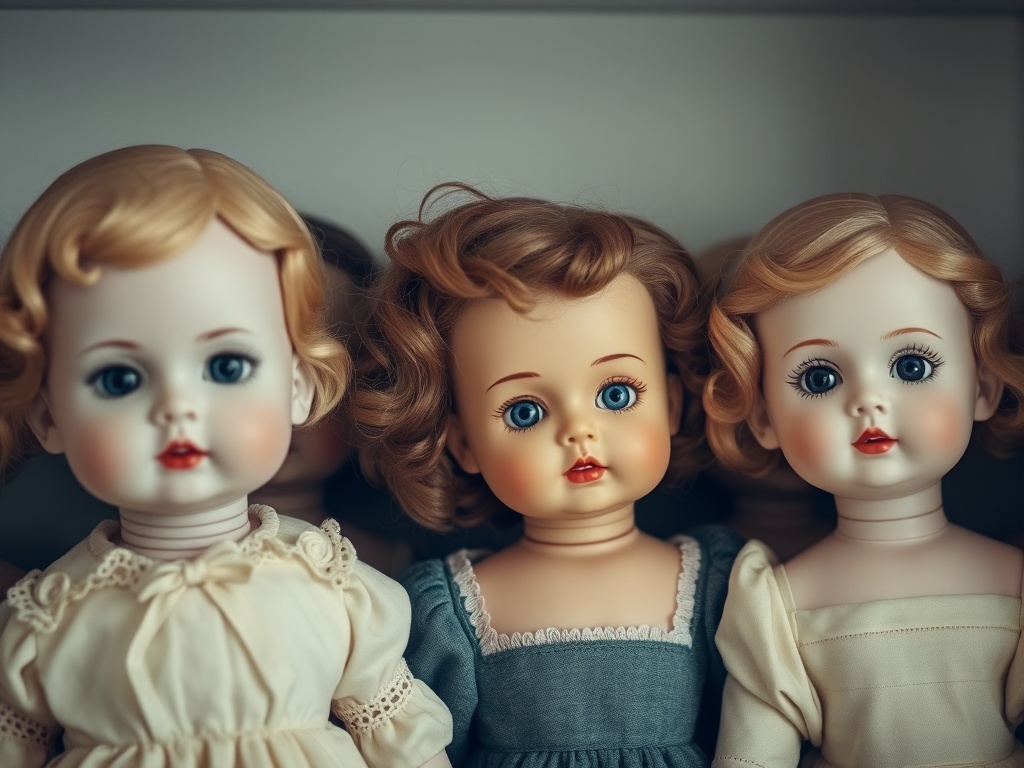
Before buying anything else, get clear on what makes a porcelain doll valuable. It’s not just age, and it’s definitely not how pretty the dress looks.
Real value usually comes down to a combination of factors:
- Manufacturer reputation: Established makers with documented histories carry weight.
- Condition: Cracks, repairs, or repainting can cut value dramatically.
- Originality: Original clothing, wigs, and accessories matter more than most beginners realize.
- Rarity: Limited runs or discontinued molds tend to perform better over time.
- Provenance: Documented history or ownership can push a piece into a different tier entirely.
If you remember nothing else: condition and originality beat almost everything.
Learn to Read Maker’s Marks (and Actually Care About Them)
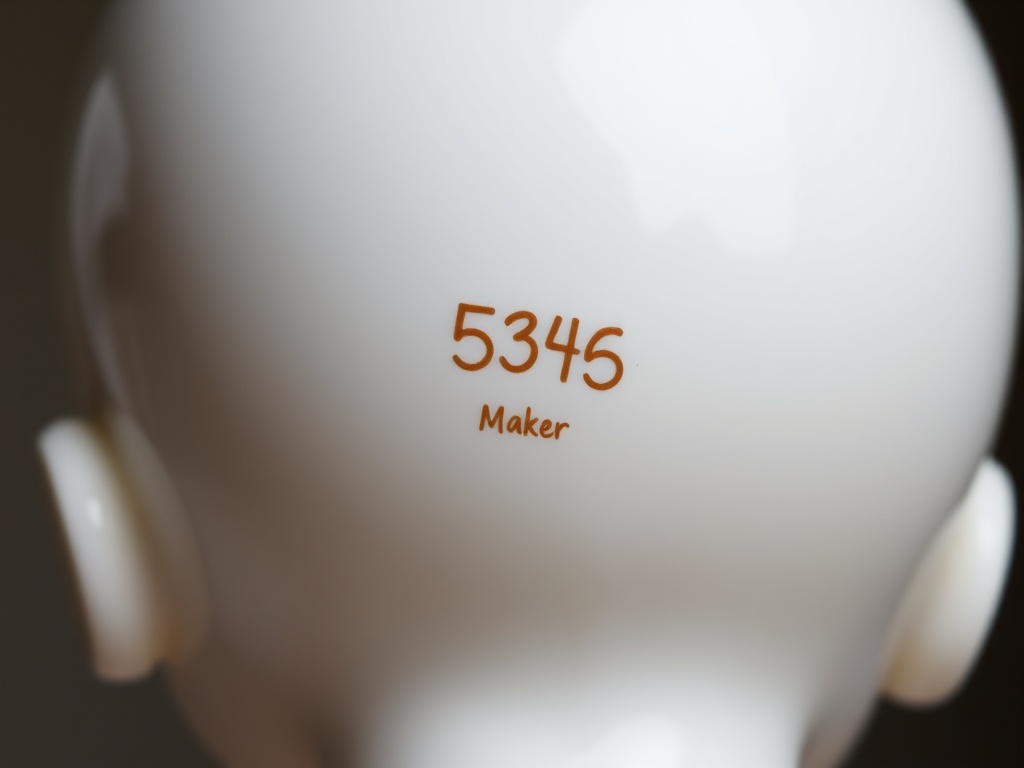
Flip a porcelain doll over and check the back of the head or neck. Those stamped numbers, symbols, or names aren’t decorative — they’re your best clue to authenticity and origin.
Serious collectors treat maker’s marks like a fingerprint. Over time, you’ll start recognizing patterns: certain fonts, numbering systems, even the depth of the stamp can signal whether something is original or reproduced.
Keep a simple habit: photograph every mark and build your own reference library. You’ll trust your own database more than random listings online.
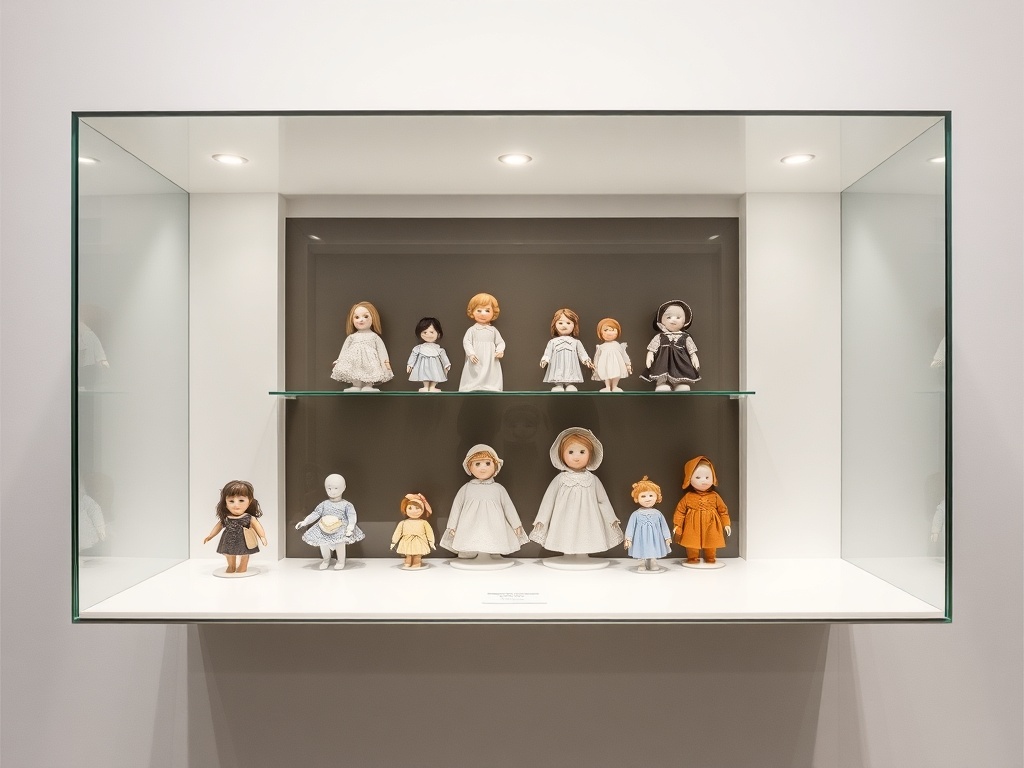
Start Narrow, Not Broad
One of the biggest mistakes beginners make is buying “a little bit of everything.” That approach fills shelves quickly but rarely builds a meaningful collection.
Instead, pick a lane early. That could be:
- A specific era (e.g., late 19th century)
- A particular manufacturer
- A style (child dolls, character dolls, etc.)
- A regional focus
Narrowing your scope does two things: it sharpens your eye and makes your collection feel cohesive. It also makes you faster at spotting undervalued pieces.
Condition Isn’t Negotiable — It’s Everything
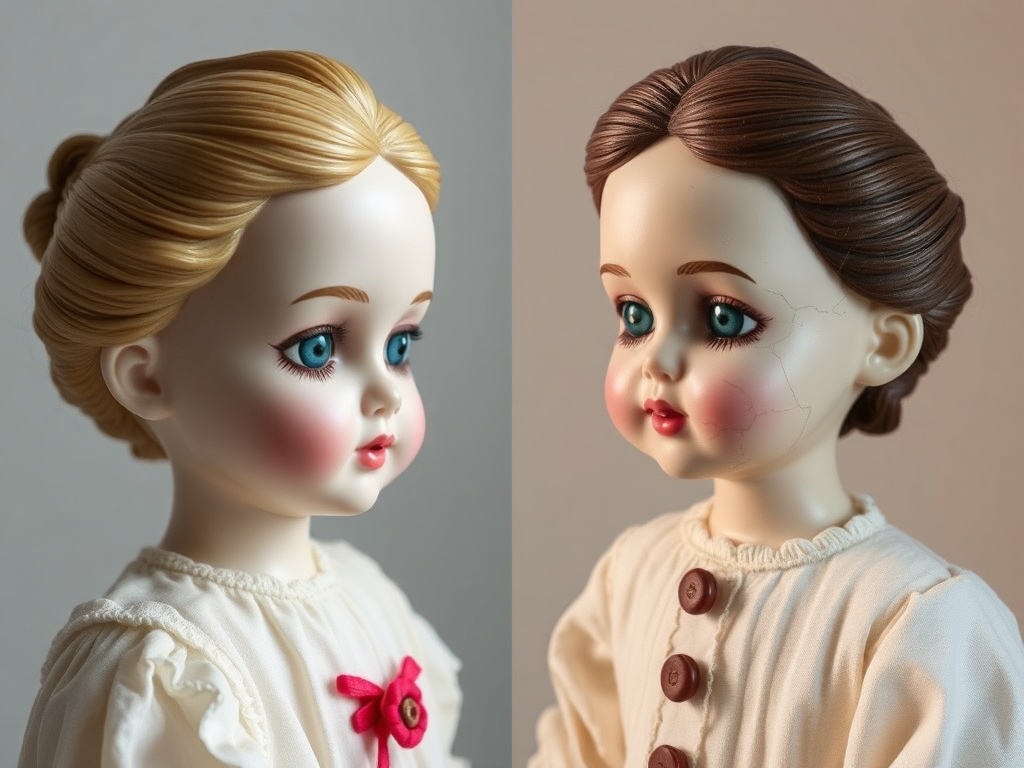
If you’re deciding between a rare doll with damage and a more common one in excellent condition, the second option is often the smarter buy.
Hairline cracks, repairs, repainting, and replaced parts all reduce value — sometimes significantly. Even if a repair is well done, serious collectors will notice.
Always inspect:
- Head and neck for cracks or crazing
- Hands and feet for chips
- Paint consistency (look for touch-ups)
- Body composition and stability
If you’re buying online, assume risk unless detailed photos are provided.
Don’t Overpay for “Story” Without Proof
Sellers love a good story. “Estate piece,” “rare European find,” “museum quality” — these phrases show up everywhere.
Ignore the narrative unless it’s backed by documentation. Provenance matters, but only when it’s verifiable.
If a price seems inflated, it usually is. The market for porcelain dolls is more transparent than it looks — completed auction listings will tell you what people are actually paying.
Buy Fewer, Better Pieces
This is where most collections go wrong. Quantity feels satisfying early on, but it becomes a burden later.
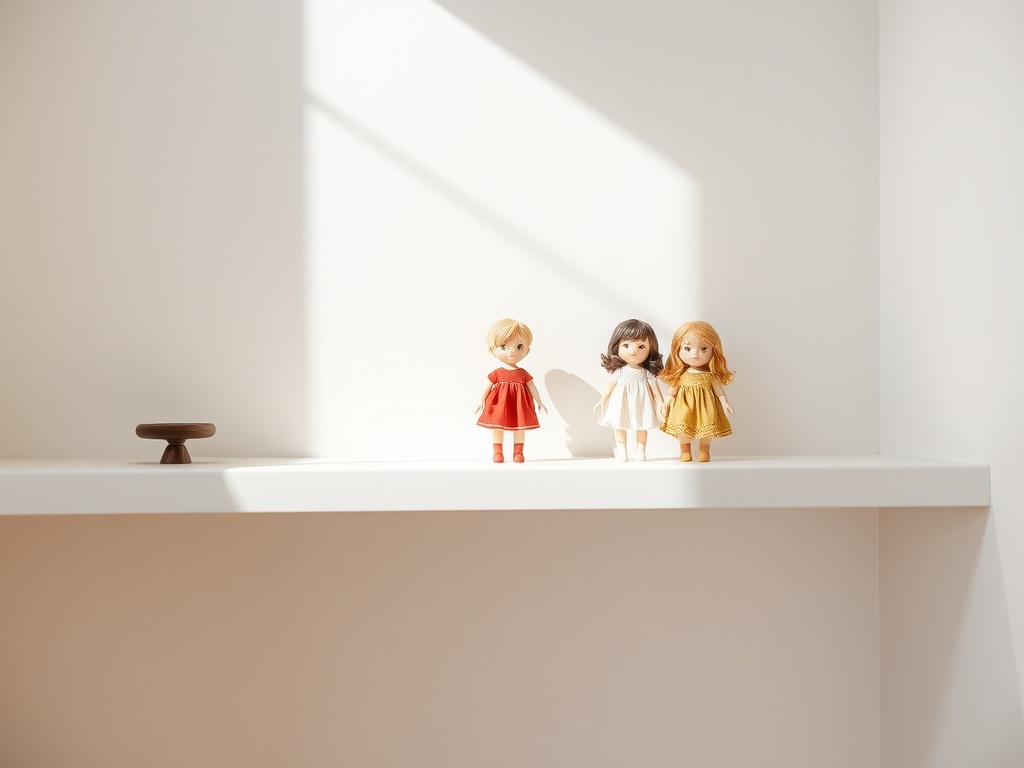
A tight collection of 10–20 strong pieces will outperform a scattered collection of 50 average ones — both in value and visual impact.
Ask yourself before every purchase: would I still want this if I had half the space?
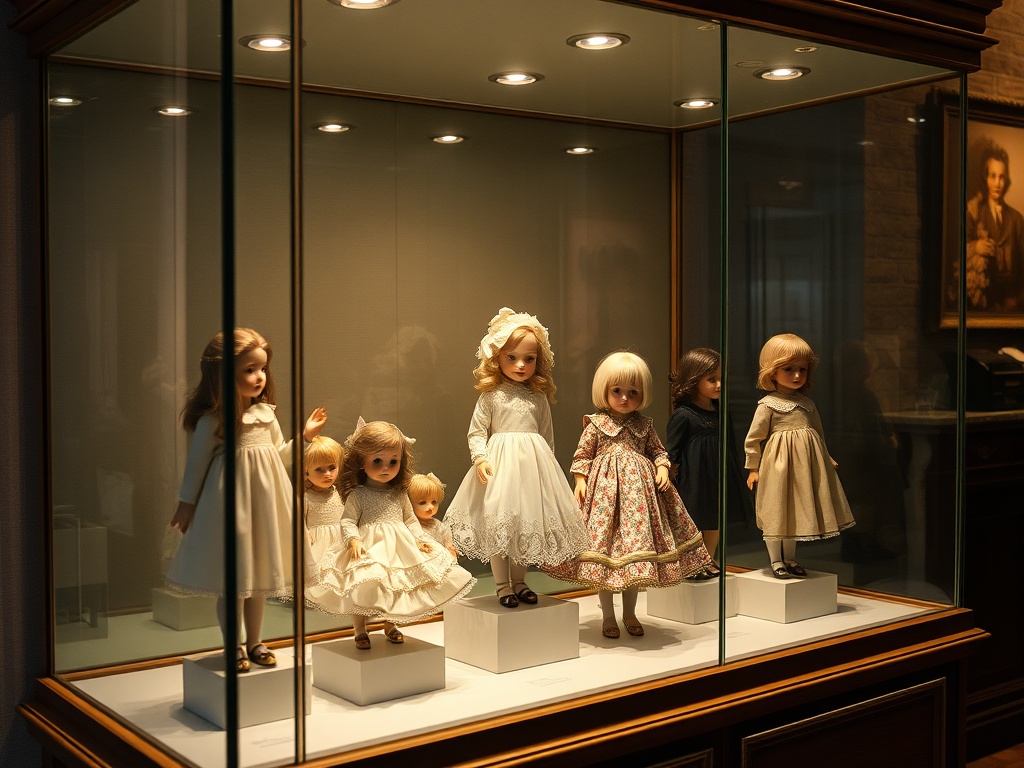
Display Like a Collector, Not a Storage Unit
How you display your dolls affects both preservation and perceived value.
A few non-negotiables:
- Avoid direct sunlight (it fades fabrics and paint)
- Control humidity to prevent cracking
- Use stable stands that don’t stress joints
- Keep spacing intentional — crowding cheapens the look
A well-displayed collection doesn’t just look better — it signals care, which matters if you ever decide to sell.
Track What You Own (Seriously)
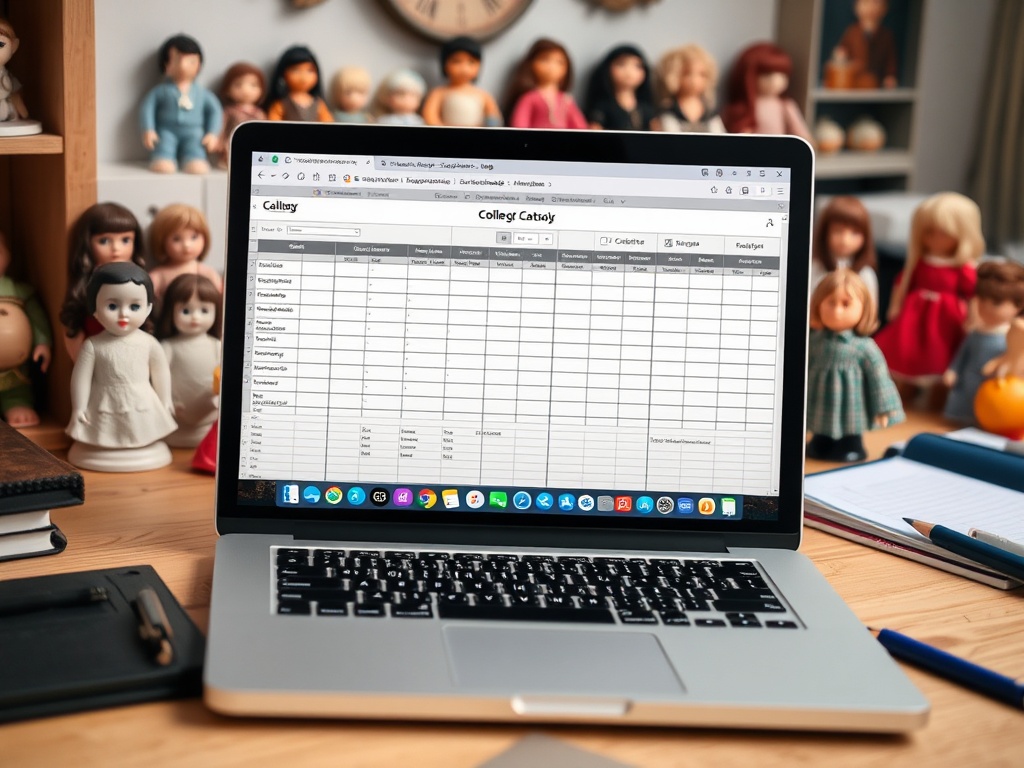
It sounds boring, but documentation is one of the most underrated parts of collecting.
Create a simple record for each doll:
- Purchase price and date
- Seller/source
- Condition notes
- Photos (including marks)
This turns your collection from a hobby into an asset. It also protects you from forgetting details that matter later.
Know When to Walk Away
Not every “good deal” is worth it. If something feels off — unclear photos, inconsistent markings, or a price that doesn’t match the piece — skip it.
There will always be another doll. The best collectors aren’t the ones who buy the most; they’re the ones who pass on the most.
Patience compounds in this hobby.
The Long Game
Porcelain doll collecting isn’t about quick flips or instant appreciation. It’s about building something that reflects taste, knowledge, and restraint.
If you approach it with intention — focusing on quality, documentation, and discipline — you’ll end up with a collection that not only looks better but holds its ground over time.
And honestly, that’s the real reward: not just owning beautiful pieces, but knowing exactly why they deserve to be there.