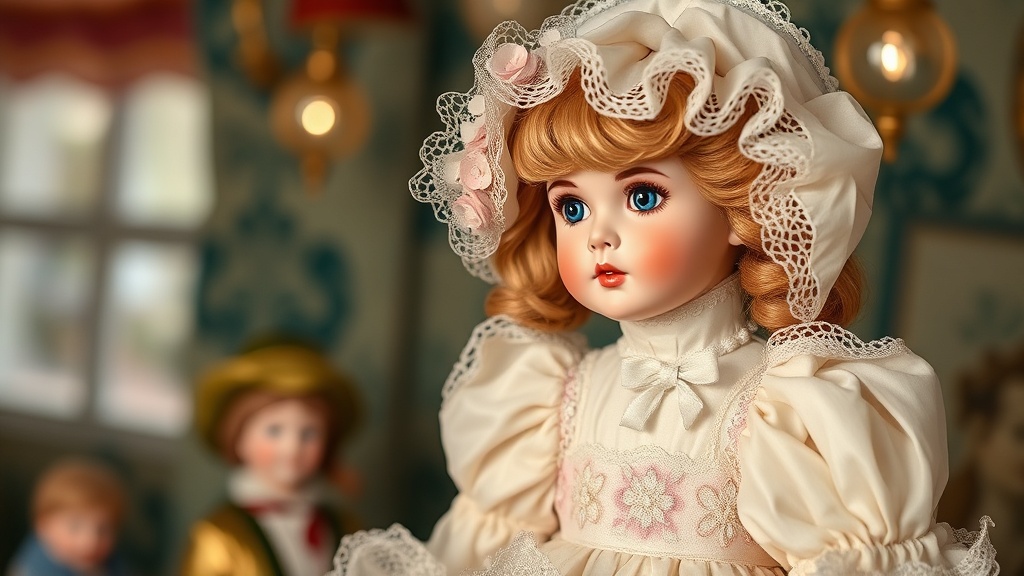
Where to Find Rare Porcelain Dolls and Quality Collectibles

Finding the Best Sources for Your Next Collection Addition
Are you tired of scouring the same three websites only to find the same mass-produced figurines over and over? Finding high-quality, rare porcelain dolls or unique collectible figures requires more than just a basic search engine query; it requires knowing where the serious collectors actually hang out. Whether you're hunting for a nineteenth-century bisque doll or a limited-edition modern porcelain piece, the source matters just as much as the item itself. This guide covers the various marketplaces, specialized auction houses, and community-driven platforms where you can actually find pieces with history and character.
The world of collectibles is split between the "fast-moving" retail world and the "slow-burn" enthusiast world. If you're looking for something that isn't just a souvenir, you have to look past the big-box retailers. Many of the best finds aren't even listed on mainstream sites initially—they live in niche circles and specialized dealer inventories. Understanding these layers helps you avoid the junk and focus on pieces that have actual craftsmanship behind them.
Where Can I Buy Authentic Vintage Porcelain Dolls?
If you're looking for authenticity, you'll likely want to look toward specialized auction houses and estate sales. While anyone can list a doll on a general marketplace, professional auctioneers often do the heavy lifting of verifying the era and the maker. For serious collectors, platforms like Invaluable are much more effective because they host auctions from established antique dealers. These dealers understand the difference between a factory-made reproduction and a hand-painted bisque doll.
Estate sales are another goldmine, though they require a bit more legwork. You aren't just shopping online; you're physically going to a home, often in a suburban or rural area, to see what's left behind in glass cabinets. This is where the real treasures hide—the items that haven't been cataloged or photographed for the internet yet. You might find a dusty, forgotten doll in a corner of a basement that turns out to be a rare find from a specific maker. It's a gamble, but the payoff is much higher than browsing a standard retail site.
What Should I Look for When Buying Online?
Buying collectibles online is a bit of a high-stakes game. You aren't just buying an object; you're buying a description and a set of photos. When you're browsing, you need to look for specific details that indicate quality. For instance, check the description for terms like "bisque" versus "ceramic." Bisque is a type of unglazed porcelain that provides that soft, matte look characteristic of high-end antique dolls. If a seller is being vague about the material, that's usually a red flag.
Always look for multiple angles in the photos. A dishonest or careless seller might show you a beautiful face but hide a hairline crack on the back of the head or a chipped finger. If the seller hasn't provided a photo of the maker's mark or the back of the doll, ask for one. A legitimate collector or dealer will never hesitate to provide more detail. You can also use resources like the National Doll Museum archives to cross-reference what a specific era's manufacturing techniques should look like.
Is It Better to Buy from Dealers or Private Collectors?
This is the age-old debate in the community. Buying from a professional dealer offers a certain level of security. Dealers often have a reputation to uphold, and they've likely already checked the item for major flaws. However, you'll often pay a premium for that peace of mind. The price reflects their expertise and the fact that they've done the sourcing for you. It's a convenience fee, essentially.
On the other hand, buying from private collectors—often found in specialized forums or Facebook groups—can be much more affordable. You're buying directly from the person who owned it. The downside? You're relying entirely on their honesty and their ability to describe the item accurately. There's no return policy in a private sale. If you decide to go this route, always request a video of the item under bright light to catch any subtle cracks or imperfections that a still photo might miss.
A Quick Comparison of Sourcing Methods
<| Method | Pros | Cons |
|---|---|---|
| Specialized Auctions | High authenticity, professional vetting | Expensive, highly competitive |
| Estate Sales | Deeply undervalued finds, physical inspection | Requires travel, time-consuming |
| Online Marketplaces | Convenient, huge variety | High risk of low-quality items |
| Private Collectors | Lower prices, community connection | Variable quality, no buyer protection |
If you're just starting out, I recommend the auction route. It's a bit more expensive, but it builds your "eye" for quality. You'll see how professional descriptions are written and how much certain marks actually influence price. Once you've built a foundation, then you can move into the more adventurous territory of estate sales and private deals. It's all about building a collection that you can actually stand behind, rather than just a pile of unverified trinkets.
Don't forget to check local antique fairs and collector conventions. These events are more than just markets; they are networking hubs. You might meet a person who is willing to part with a piece from their personal collection for a fair price, something you'll never find on a generic search engine. These are the places where the real history of the hobby is kept alive.