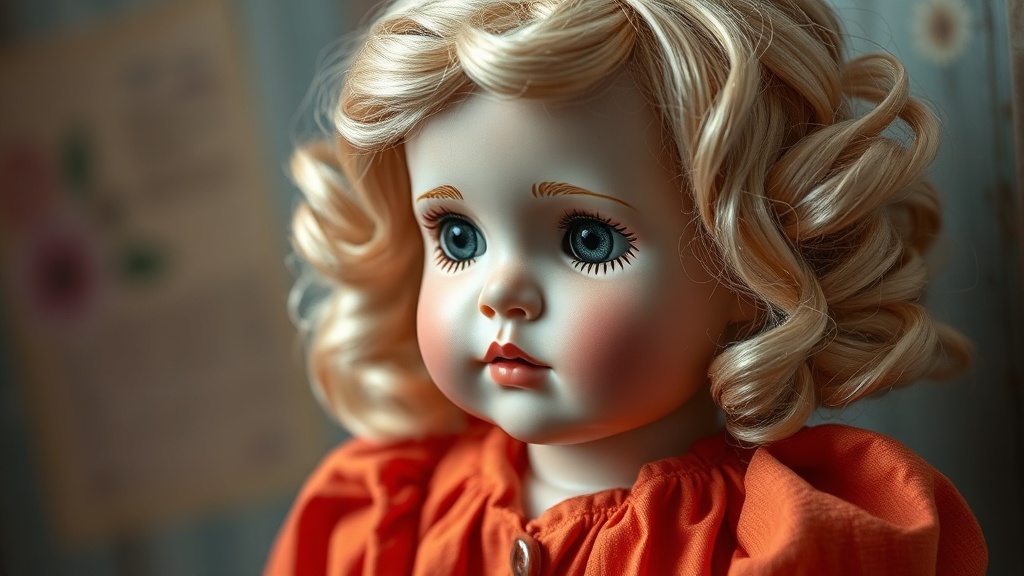
Why Is My Porcelain Doll's Paint Fading or Changing Color?

Imagine pulling a cherished doll from its display case only to notice that the rosy tint on its cheeks looks strangely dull, or perhaps the vibrant blue of its eyes seems to have shifted toward a greyish hue. This isn't just a trick of the light; it's a physical reaction to the environment. When collectors talk about "deterioration," they often focus on cracks or broken limbs, but color shifts and pigment loss are just as common and often more frustrating because they are subtle. Understanding why these changes happen is the first step in preventing them.
The chemistry of color in vintage collectibles is a delicate balance. Most antique porcelain dolls used pigments that were applied over a glaze or even directly onto the bisque surface. These pigments are sensitive to several factors—UV light, humidity, and even the chemical makeup of the storage containers. If you've noticed a change in your collection, you aren't alone, and more importantly, you can likely prevent it from happening to the rest of your pieces.
Does Sunlight Damage Porcelain Doll Pigments?
Light is perhaps the most aggressive enemy of a collector's display. Even if the porcelain itself is stable, the paint used for facial features, eyelashes, and even the clothing can suffer from photodegradation. Ultraviolet (UV) rays break down the chemical bonds in pigments, leading to a phenomenon known as fading. This is especially true for organic pigments or those used in the mid-20th century, which often lack the stability of older, mineral-based paints.
Direct sunlight is a high-risk factor. A doll sitting on a sunny windowsill might look beautiful for a few months, but within a year, that vibrant blush might vanish entirely. Even indirect, bright light can cause issues over long periods. To keep your dolls looking their best, keep them away from windows or use UV-filtering film on your glass. For more technical data on how light affects various materials, the Library of Congress provides extensive archives on the preservation of historical artifacts and the impact of environmental light.
- Avoid direct sunlight: Never place displays in direct paths of sunbeams.
- Use UV protection: Apply UV-resistant film to windows in your display rooms.
- Monitor intensity: Rotate pieces from bright areas to darker areas to spread the "wear."
How Does Humidity Affect Doll Paint and Surfaces?
While porcelain is non-porous, the materials that often accompany it—such as silk clothing, cotton-filled bodies, or wooden limbs—react violently to humidity changes. When a room is too humid, moisture can become trapped in the fibers of the doll's clothing or the internal stuffing. This moisture can then migrate toward the surface, causing the paint on the bisque to appear cloudy or even causing the pigment to lift. This is often referred to as "bloom" or a milky haze on the surface.
Conversely, extremely dry air can lead to the shrinking of organic materials like clothing, which puts physical stress on the porcelain. If the clothing shrinks, it can pull at the paint or cause micro-cracks in the glaze. Maintaining a stable environment is the goal. You want a consistent level of moisture—neither a tropical rainforest nor a parched desert. If you are displaying high-value items, using a digital hygrometer is a smart move to keep an eye on the air quality in your room.
If you want to study the long-term effects of environmental changes on various materials, the Smithsonian Institution offers incredible resources on the preservation of delicate museum-grade objects. Their research into material science can give you a better idea of how your collection interacts with the air around it.
Can Chemicals in Cleaning Products Change Doll Colors?
One of the biggest mistakes a collector can make is attempting to "clean" a doll with something other than a soft, dry brush. Many people think a quick wipe with a damp cloth or a bit of household cleaner will make a doll shine, but this is a recipe for disaster. Modern household cleaners often contain surfactants or chemicals that can react with the pigments on a doll's face. A single wipe with a damp cloth can sometimes leave a permanent ring or a dull spot where the pigment has been stripped away.
<The pigments used in many antique dolls were applied in very thin layers. These layers are easily compromised by moisture and chemical reactions. If you use a product that is too alkaline or acidic, you might literally dissolve the facial features of the doll. This is why "cleaning" should almost always be a dry process. A soft-bristled brush is your best friend here—it removes dust without any risk of chemical reaction or moisture-induced pigment loss.
| Method | Risk Level | Recommendation |
|---|---|---|
| Dry Brushing | Low | Use a soft, natural-hair brush to remove dust. |
| Damp Cloth | Medium | Only use if absolutely necessary; use distilled water and be extremely fast. |
| Chemical Cleaners | High | Never use; can permanently damage pigment and glaze. |
If you find a piece of dust or a smudge, do not reach for the Windex. Instead, try a very gentle blow of air or a soft, dry brush. This keeps the surface integrity intact. If a doll's color has already changed, it is usually an irreversible process. The goal is to be a protector of the piece, not a restorer of the finish. Once the pigment is gone, it is gone, and attempting to paint over it often results in a look that is visibly artificial and reduces the value of the collectible.
A well-maintained collection is a testament to the collector's patience. By understanding that the "beauty" of a doll is a fragile chemical state, you can make better decisions about where and how you display your items. Whether it's the light hitting the room, the humidity in the air, or the tools you use for maintenance, every small detail counts in the long run.