Why Your Grandmother's Porcelain Doll Might Not Be Worth Much

Most people assume that any porcelain doll older than fifty years automatically carries significant value. That dusty figure sitting in your attic — the one with the cracked composition body and faded Victorian dress — must be worth something, right? The reality is far more complicated. Age alone doesn't determine worth in the collectible doll market. In fact, thousands of early 20th-century porcelain dolls sell for under fifty dollars at estate sales every weekend across America. Understanding what actually drives value will save you from disappointment and help you spot genuine opportunities.
Why Do Some Porcelain Dolls Command Premium Prices While Others Sit Unsold?
The answer lies in a combination of factors that collectors have refined over decades of trading. First and foremost, the maker matters enormously. Dolls from renowned German manufacturers like Kämmer & Reinhardt or French ateliers such as Jumeau consistently outperform anonymous mass-market pieces. These firms employed master sculptors and painters whose work elevated their creations beyond mere toys into objects of artistic merit.
Condition represents another critical variable — though not in the way many newcomers expect. A mint-condition common doll often loses value simply because collectors prefer pieces with character and provenance. Conversely, a rare model in poor condition might still attract serious bidding if restoration can preserve its original features. The key distinction: original finish matters more than perfect appearance. A doll with factory-original paint showing gentle wear typically outvalues a heavily restored specimen with pristine surfaces.
Rarity operates within surprisingly narrow parameters. Limited production runs, experimental glazes, or models produced during brief factory transitions create scarcity that drives collector interest. The Theriault's Auction database documents numerous cases where obscure one-year productions from minor manufacturers achieved prices exceeding celebrated brands — simply because examples surface once per decade rather than once per month.
What Construction Details Separate Valuable Specimens from Common Placeholders?
Beyond maker stamps and surface appearance, serious collectors examine structural elements that casual observers overlook. The body composition reveals manufacturing dates and quality tiers. Early French bebes feature heavy bisque shoulder heads on kid leather bodies with wooden limbs — a construction method largely abandoned by the 1890s in favor of fully bisque or composition alternatives. These transitional pieces occupy a fascinating middle ground in collecting history.
Weight distribution tells stories too. Authentic antique porcelain heads possess substantial heft from dense bisque formulas and thick casting. Modern reproductions — even convincing ones — typically feel lighter due to thinner walls and different clay compositions. When examining a potential acquisition, hold the head in your palm and note whether the weight feels appropriate for its size.
Eye mechanisms provide additional authentication clues. Original weighted sleep eyes with hand-blown glass inserts differ markedly from later molded plastic replacements. The distinctive "click" of properly functioning antique eyes — that satisfying snap when the doll tilts — has become something of an inside shorthand among experienced collectors. (Though be warned: attempting this test at auction houses draws amused glances from dealers who've witnessed the ritual thousands of times.)
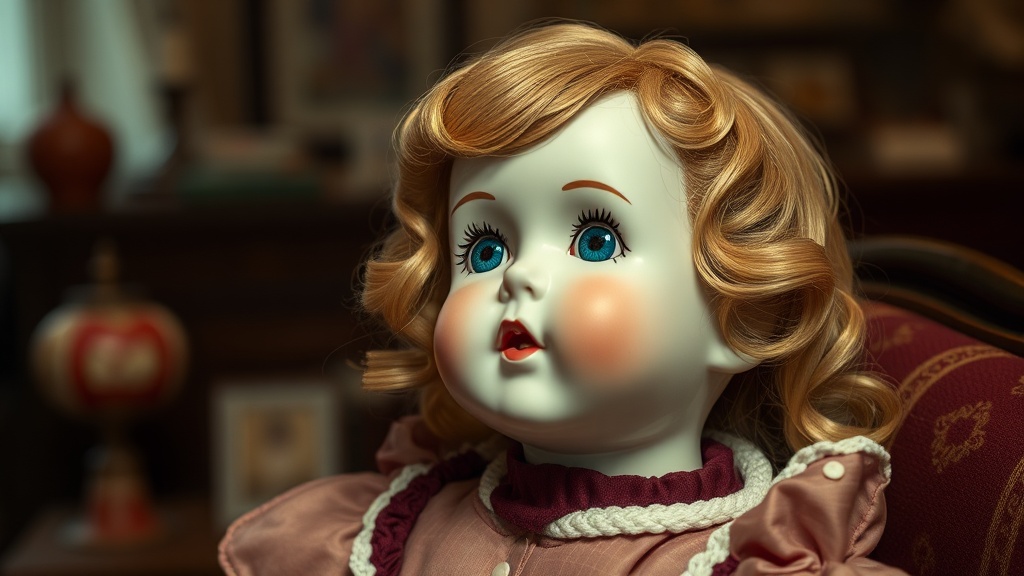
Painting quality perhaps matters most of all. The finest porcelain dolls received multiple firings with hand-painted details applied between each baking. Examine eyebrow hairs individually — authentic antique work shows slight variation in stroke width and direction. Factory-painted reproductions display suspicious uniformity. French fashion dolls particularly demonstrate this distinction, with their elaborate multi-layered eye painting creating that haunting, lifelike gaze that photographs beautifully but must be seen in person to fully appreciate.
Are Repaired Porcelain Dolls Worth Collecting?
This question generates heated debate at collector gatherings. The purist position holds that any restoration diminishes value — a philosophy that would relegate most surviving antique dolls to the dustbin of history given their fragility. More practical collectors recognize that expert restoration preserves cultural artifacts that would otherwise deteriorate beyond recognition.
The middle path involves understanding restoration categories. Professional conservation — stabilizing existing conditions without disguising age — receives universal acceptance. This might include securing loose wigs, cleaning accumulated grime with appropriate archival methods, or supporting weakened body structures. More controversial are aesthetic interventions: repainting chipped facial features, replacing damaged fingers, or reconstructing missing costume elements.
Documentation becomes crucial here. A doll with clear provenance showing when and by whom restoration occurred carries significantly more credibility than pieces with mysterious "improvements." The National Antique Doll Dealers Association maintains ethical guidelines requiring disclosure of substantial restoration — though enforcement relies on dealer reputation rather than regulatory authority.
From an investment perspective, heavily restored rare dolls often outperform mint-condition common examples. A Jumeau portrait bebe with professional facial restoration might command $3,000 while an unplayed-with Armand Marseille child doll struggles to reach $200. The market ultimately values scarcity and artistic merit over mechanical perfection — though admittedly, finding buyers willing to pay premium prices for restored pieces requires patience and the right venue.
Where Should New Collectors Focus Their Attention?
Starting a collection today presents different challenges than three decades ago. Online marketplaces have democratized access while simultaneously flooding the market with misidentified reproductions and overgraded specimens. Successful newcomers develop specific expertise in narrow categories rather than attempting to become generalists.
Consider specializing by era, nationality, or even specific body types. Some collectors focus exclusively on German character babies from the 1910s — those wonderfully expressive infants with molded hair and painted eyes that captured the Edwardian fascination with childhood realism. Others pursue French fashion dolls with their elaborate wardrobes and aristocratic bearing. Still others collect the overlooked American composition dolls that bridged the gap between porcelain dominance and hard plastic revolution.
Building relationships with reputable dealers yields dividends beyond mere transaction efficiency. Established dealers remember collector preferences and notify regular clients when relevant pieces surface. They also provide informal education — pointing out construction details, sharing historical context, and occasionally warning against problematic purchases. These relationships develop through consistent, respectful engagement rather than aggressive bargaining.
Finally, handle as many authentic examples as possible. Museum collections, doll shows, and reputable dealer galleries offer tactile education that photographs cannot replicate. The weight of genuine bisque, the texture of antique mohair wigs, the particular sheen of original paint — these sensory reference points build the intuitive judgment that separates experienced collectors from enthusiastic beginners. Every hour spent examining quality specimens in person repays itself many times over when evaluating potential acquisitions in the wild.
The porcelain doll market rewards patience, knowledge, and selective focus. The grandmother's attic doll might indeed prove valuable — but only if it possesses the right combination of maker prestige, original condition, and genuine rarity. Learning to recognize these qualities transforms casual interest into serious collecting.