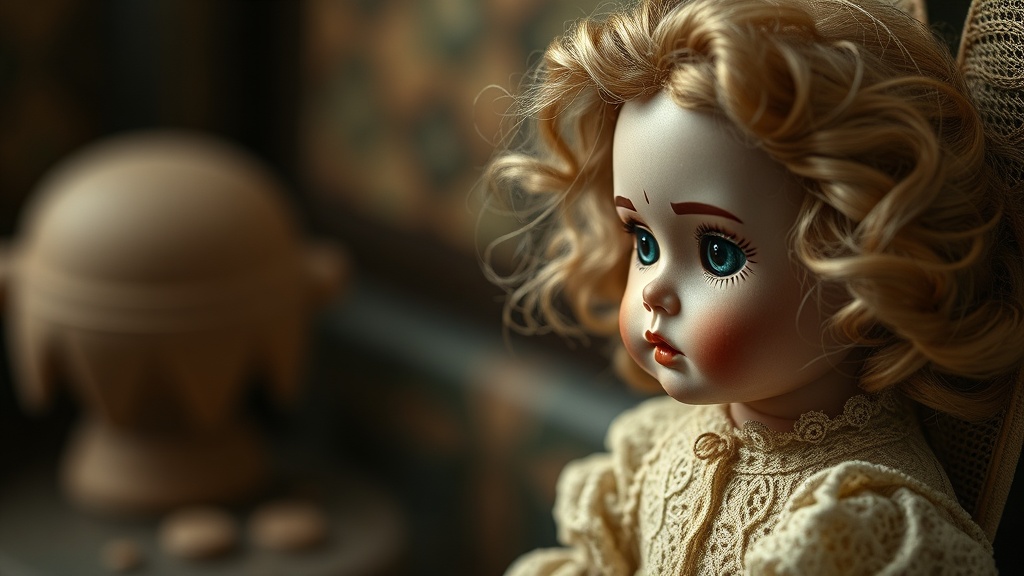
Rare Materials and Unusual Textures in Antique Doll Making

The Smooth Perfection of Bisque Porcelain
The Durability of Composition Materials
The Intricacy of Fine Bone China Finishes
Nearly 15% of high-end antique doll collections lose value due to improper identification of their base materials. Most collectors focus on the face or the maker's mark, but the physical composition of the body and the texture of the skin often dictate the true rarity of a piece. This post examines the specific, often overlooked materials used in historical doll making—from rare bisque compositions to unconventional textile bodies—and why these tactile elements matter for your collection's value.
What Are the Most Common Materials in Antique Doll Making?
The most common materials used in high-quality antique dolls are bisque porcelain, composition, and kid leather. While bisque is the gold standard for facial features, the body material often determines how a doll survives the decades. You'll find that many dolls from the late 19th century used a combination of materials to balance cost and realism.
Bisque is essentially unglazed porcelain. It has a matte, skin-like texture that absorbs light rather than reflecting it. This is why a well-preserved bisque head looks "alive" compared to the shiny, glass-like finish of glazed porcelain. If you're looking at a doll with a very smooth, reflective surface, it's likely a later reproduction or a lower-grade ceramic.
Then there is composition. This was a heavy, molded material made from a mixture of sawdust, glue, and often paper pulp or even plaster. It was much cheaper than porcelain but allowed for more detailed clothing shapes. The problem? Composition is prone to "crazing"—those tiny, spiderweb cracks that can ruin a doll's value. It’s a nightmare for collectors to repair.
Here is a breakdown of how these materials typically compare in terms of durability and texture:
| Material | Typical Texture | Durability Factor | Common Use |
|---|---|---|---|
| Bisque Porcelain | Matte, velvety, skin-like | Fragile (prone to chips) | Heads and hands |
| Composition | Hard, slightly textured | Medium (prone to cracking) | Full bodies and limbs |
| Kid Leather | Soft, supple, organic | Low (sensitive to humidity) | Early Victorian dolls |
| Hard Plastic | Smooth, non-porous | High | Mid-century dolls |
Why Do Unusual Textures Affect Collector Value?
Unusual textures directly impact value because they serve as a fingerprint for a doll's era and manufacturing technique. A collector who can identify a "cloth-bodied" doll versus a "hard-bodied" doll can often spot a high-value rarity that others might overlook. For instance, a doll with a hand-painted bisque head and a kid leather body is often more valuable than one with a full porcelain body because the labor required to work with leather was significantly higher.
Consider the tactile difference between a standard bisque head and a "China" head. A China head has a glossy, glazed finish. It's bright and shiny. While beautiful, it lacks the soft, human-like quality of bisque. If you see a doll that feels "stony" or cold, it's likely a China doll. If it feels warm and soft to the touch, it's likely bisque. This distinction is a huge part of tracing the evolution of Victorian porcelain dolls and their varying materials.
Sometimes, makers experimented with even stranger things. During the late 1800s, some dolls featured bodies made of weighted cloth or even wood-pulp-based materials. These are rare. They aren't just "old dolls"—they are specimens of industrial experimentation. If you find a doll with a body that feels unexpectedly heavy or has a distinct "crunch" when moved, you might be looking at an early composition or even a weighted fabric body. That texture tells a story of a specific year in manufacturing history.
One thing to watch out for: the "smell" of the material. Old composition can sometimes have a faint, musty scent if it has absorbed moisture over the years. This isn't just a quirk; it's a sign of how the material is aging. (I've personally found that a slightly "earthy" scent often accompanies older, uncleaned composition dolls.)
The Rarity of Mixed-Media Dolls
The most interesting pieces in the market are the mixed-media dolls. These are pieces where the maker didn't just stick to one material. You might find a doll with a bisque head, a kid leather torso, and perhaps even glass eyes that have a specific "depth" to them. The interplay of these textures—the matte porcelain against the soft leather—creates a sense of realism that modern plastic simply can't replicate.
The catch? These mixed-media dolls are much harder to preserve. The leather can dry out and crack, while the porcelain head remains perfect. This creates a mismatch in the doll's condition. It's a common issue when you're trying to display and preserve a porcelain doll collection. You have to manage the needs of two or three different materials simultaneously.
How Can You Identify Rare Materials in Your Collection?
You can identify rare materials by using a combination of visual inspection, light testing, and careful tactile assessment. Start by looking at how the material reacts to light. A bisque head will have a soft, diffused glow. A porcelain head with a glaze will have sharp, bright highlights. If you're unsure, a very gentle touch (with a gloved hand!) can tell you if a surface is matte or glossy.
Here is a quick checklist for your next inspection:
- The Light Test: Hold the doll's head under a single light source. Does the light "sit" on the surface (glaze) or is it absorbed (matte/bisque)?
- The Weight Test: Pick up the doll. Does it feel hollow (cloth/light composition) or substantial (hard porcelain/wood)?
- The Surface Check: Look for "crazing" or tiny cracks. If the cracks are very fine and look like hair-thin lines, it's likely a composition-based body.
- The Texture Feel: If you can safely touch a non-facial part, is it smooth, grainy, or fabric-like?
It's also worth noting that many modern "reproductions" try to mimic these textures. A high-quality reproduction might use a resin that looks like bisque. To tell the difference, look at the weight. Resin is often much lighter and more uniform than authentic, hand-fired bisque. Real antique materials have "imperfections" that machines can't quite replicate. A slight irregularity in the grain of a leather body or a tiny speck in the bisque is actually a good sign—it means it's likely an original piece of history.
If you are looking at a doll and the material feels too perfect, too smooth, or too light, be skeptical. Most antique materials were subject to the whims of the climate and the limitations of their time. They're rarely "perfect." If you've already started a collection, you'll want to be sure you're starting a collection that holds value by prioritizing these authentic, textured pieces over mass-produced modern imitations.
One final tip: always check the joints. The way a doll's limbs move can also tell you about the material. A leather-jointed doll will have a much more fluid, organic movement than a rigid composition-jointed doll. This movement is a direct result of the material's natural flexibility.
For more technical data on historical manufacturing standards, you can check out the Wikipedia page on doll history or research specific manufacturer archives through various museum-based digital collections. Understanding the "why" behind the material is the best way to become a truly informed collector.